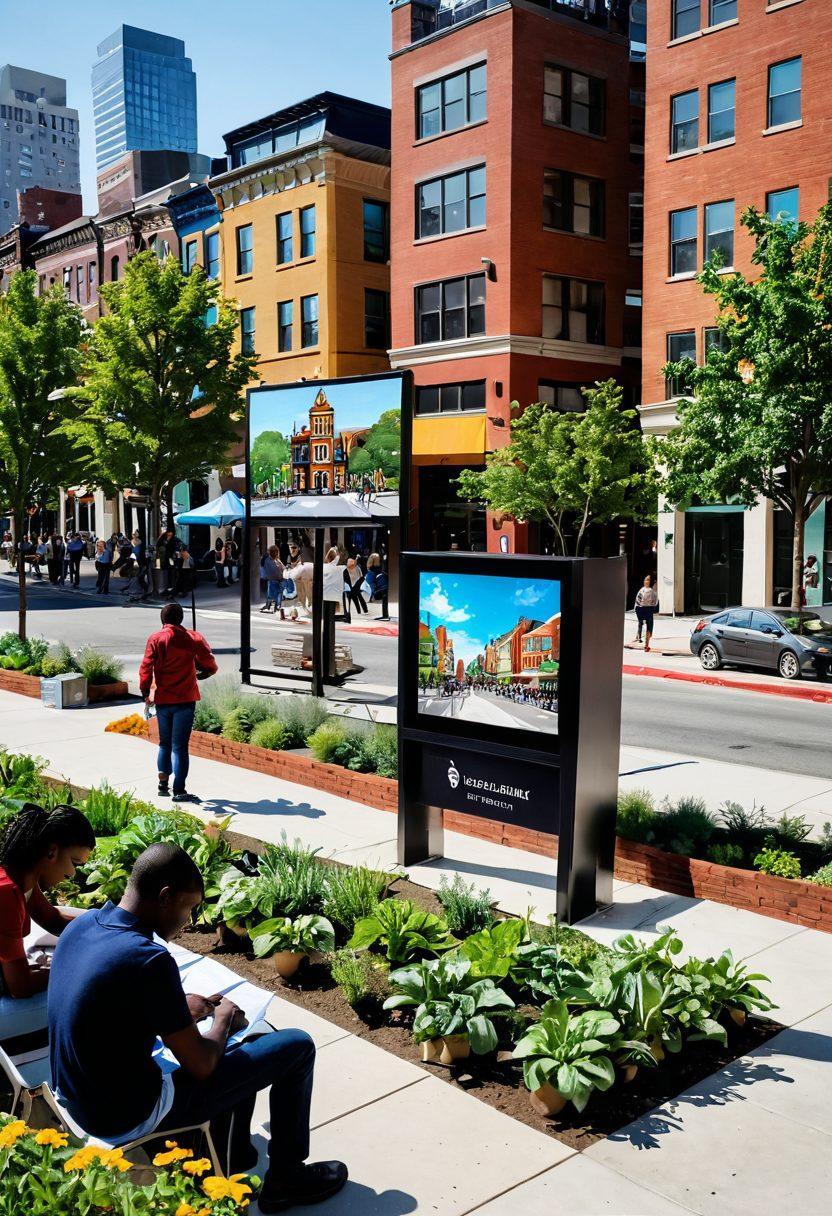
Transforming Local Governance: Innovative Solutions for Community Development and Civic Engagement
In today's rapidly changing world, empowering communities has never been more critical. Local governments are at the forefront of fostering civic engagement and shaping the landscape of community development. Innovative strategies for civic engagement can breathe new life into municipal affairs and enhance the connection between citizens and their local administration. How can we align the pulse of a community with the heartbeat of local governance? That’s the question that calls for inventive thinking and collective action from all corners of society.
Imagine a neighborhood where citizens actively participate in decision-making processes regarding communal services. This vision becomes tangible through a blend of technology and grassroots initiatives that enhance city governance. By establishing platforms for dialogue, digital tools can facilitate transparency and encourage citizen input on policies affecting their daily lives. As famously said by Margaret Mead, 'Never doubt that a small group of thoughtful, committed citizens can change the world; indeed, it's the only thing that ever has.' Can we harness this power to reshape our cities for the better?
Engaging local leadership in meaningful community partnerships is paramount to achieving successful community initiatives. When local government officials work hand-in-hand with citizens, the result is a synergy that spurs community development and revitalizes urban planning efforts. This collaboration often leads to the integration of city services, which optimizes public service delivery and increases overall government efficiency. What can be more rewarding than witnessing the community thrive as a direct result of strong civic management and thoughtful local governance?
One of the most effective strategies for enhancing citizen engagement involves fostering a culture of inclusiveness. Diverse communities have a wealth of knowledge and perspectives that can illuminate paths to improved quality of life. Encouraging participation from underrepresented groups not only enriches city planning but also cultivates a sense of belonging. How can local governments ensure that every voice is heard and valued in the civic landscape? It starts with proactive outreach and creating safe spaces for discourse.
As we explore innovation in local governance, it becomes clear that the fabric of our cities is stitched together by the active participation of their residents. The empowerment of communities is not a solitary endeavor; it’s about weaving a stronger tapestry of collaboration, engagement, and shared aspirations. Whether it’s through public forums, digital engagement platforms, or community-led projects, the path to robust municipal affairs is lined with the gems of citizen-driven initiatives. Are we ready to step up and redefine what it means to be an active participant in local governance?
Rethinking Local Governance: Strategies to Enhance Public Service Delivery
When we think of local governance, what often comes to mind are bureaucratic processes and long lines at municipal offices. However, there's a vibrant tapestry of innovation and engagement waiting to be discovered. Rethinking local governance is essential not just for improving municipal affairs, but for fostering deeper connections between government and the people it serves. As urban areas evolve and face new challenges, the strategies we adopt for public service delivery can either stifle or elevate community development. How can local leadership truly transform the fabric of our cities?
Imagine walking through your neighborhood and noticing how seamlessly city services work together. From communication between various departments to the integration of communal services, effective local administration can make all the difference. This is where innovative government solutions come into play. When different facets of civic management are collaboratively designed, they enhance the quality of life for residents. Picture public parks that double as community centers or housing initiatives that focus on sustainability—every city can tap into its potential!
At the heart of enhancing public service delivery lies citizen engagement. Have you ever felt unheard in your local community? The secrets to successful urban planning often rest upon avenues for public participation. Community initiatives that invite citizens to contribute their ideas not only empower residents but also strengthen community partnerships. By fostering an open dialogue between local government and citizens, we create a feedback loop that generates actionable insights, making governance more responsive and inclusive.
Quality public sector service is like a well-tuned orchestra, with each instrument playing in harmony. Service integration across local government strengthens this symphony. The example of smart city strategies demonstrates how technology can be harnessed to streamline processes and improve efficiency in municipal governance. Digital platforms that allow residents to report issues, pay bills, or access resources seamlessly contribute to a thriving ecosystem of civic engagement. How can your community leverage technology to enhance the connection between city planners and citizens?
As we explore new strategies to rethink local governance, let’s remain grounded in real possibilities. By cultivating local leadership that prioritizes community partnerships, transcending traditional boundaries of public administration can become a reality. What if we viewed local governance as a living entity, continuously adapting to our city’s needs? The journey to revitalizing our urban environments with innovative solutions not only requires passionate individuals but also a collective vision that looks beyond today. Together, let's embark on the quest for richer, more responsive civic engagement that transforms how we envision community development.
Building Stronger Communities: The Role of Effective Local Administration in Urban Development
Introduction: What does it really mean to build stronger communities? In an era where quick fixes seem almost ubiquitous, the importance of effective local administration in urban development is often overlooked. Local government, the unsung hero of municipal affairs, plays a pivotal role in ensuring that our cities thrive. By focusing on community development and civic engagement, local administrations can not only enhance the quality of life for their residents but also foster a sense of belonging and ownership among citizens. As the saying goes, "It takes a village to raise a child," and similarly, it takes a committed local leadership to cultivate a flourishing urban environment.
The lens through which we view local governance profoundly impacts the efficacy of community initiatives. When we think about city services, it becomes apparent that government solutions must be tailored to meet the specific needs of the community. Imagine a city where public service delivery is seamless, where communal services are easily accessed, and where citizen engagement is not just encouraged but actively sought. This ideal scenario is achievable through proactive urban planning and a vision for service integration that recognizes the diverse makeup of our neighborhoods.
What challenges do local administrations face in executing their vision? Many times, the hurdles stem from a lack of coordination among various city governance sectors. For instance, without effective civic management, potential community partnerships can fall flat, and projects that should uplift neighborhoods may struggle to take off. A collaborative approach is essential; various stakeholders—including local businesses, nonprofit organizations, and community leaders—must unite to create and implement initiatives that resonate with residents.
Let's delve a little deeper into the transformative power of community development supported by local administration. When local government prioritizes citizen engagement, it empowers residents to voice their concerns and contribute to decision-making processes. This participatory approach ensures that urban planning efforts are not just imposed but instead reflect the wishes and needs of the community. In turn, this leads to more efficient municipal governance. The question then arises: how can citizens become more engaged partners in the fabric of local leadership?
Finally, effective local administration requires a commitment to government efficiency and a willingness to embrace innovation. This means that local leaders must continuously seek ways to optimize city planning and improve public sector performance. As we transition towards a future that values sustainability and collective well-being, the role of local administration will only grow in importance. Whether it’s through enhancing the quality of life or addressing urban challenges, robust civic engagement and community initiatives are more vital than ever. The bottom line? Stronger communities are built upon foundations of effective local governance and passionate citizen involvement.